

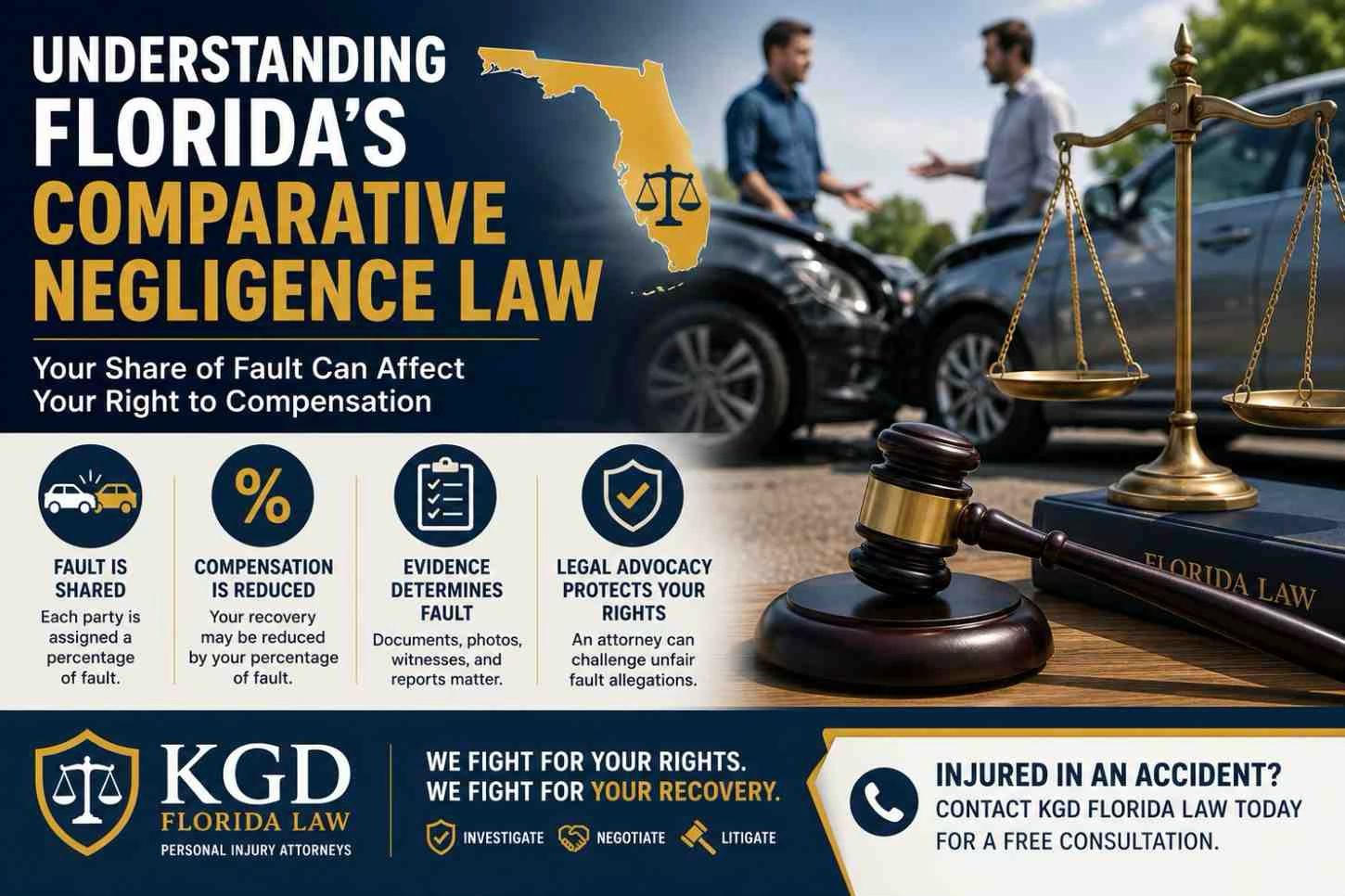

Understanding the Personal Injury Settlement Process in Florida
Many personal injury cases are resolved through settlement negotiations rather than a trial. A settlement is an agreement in which the injured person accepts compensation in exchange for resolving the claim, usually including a release of further claims against the settling party. Although the basic concept sounds simple, settlement negotiations can involve medical evidence, insurance coverage, liability disputes, financial losses,
What to Expect When Speaking With a Florida Personal Injury Attorney
If you were injured in a car accident, slip and fall, or another incident caused by someone else’s actions, meeting with a personal injury attorney can help you understand your options. For many people, the first consultation is also their first experience speaking with a lawyer about a possible claim. A personal injury consultation is generally a fact-finding conversation. The

Florida Personal Injury Guide
Social media is part of everyday life, but after an accident it can become a source of evidence. Photos, videos, comments, check-ins, reactions, and even posts made by friends may be reviewed by an insurance company or opposing party. A post that seems harmless can be taken out of context and used to question how an accident happened, how serious

Uninsured Motorist Coverage in Florida: What to Know
You can drive carefully, follow traffic laws, and maintain appropriate insurance, yet still be seriously injured by a driver who has little or no liability coverage. Uninsured motorist coverage is designed to address this risk in qualifying situations. In Florida, uninsured and underinsured motorist protection is commonly referred to as UM coverage. It can become important when an at-fault driver
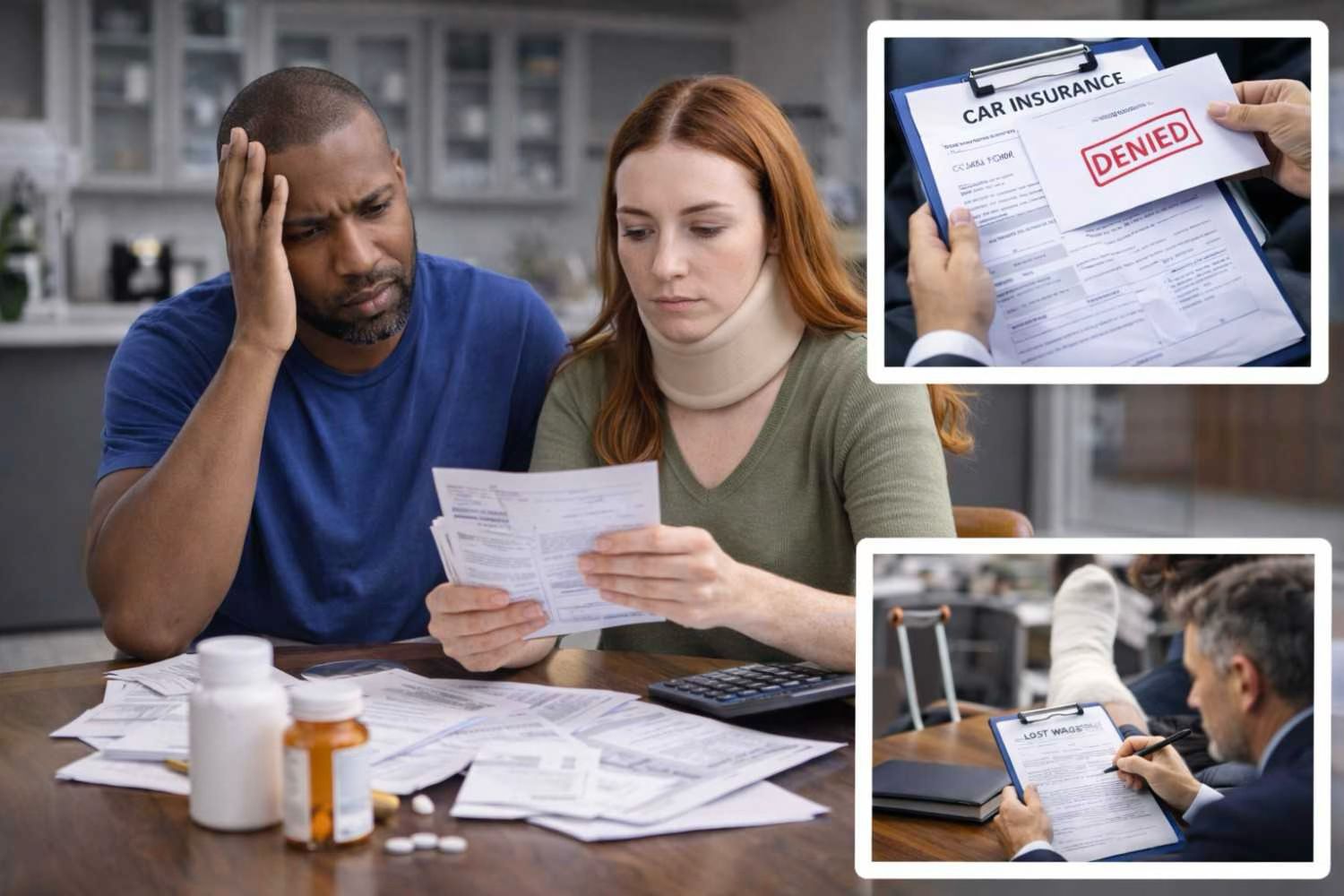
Who Pays Medical Bills After an Accident in Florida?
Medical bills can begin arriving quickly after an accident. Emergency transportation, hospital care, diagnostic imaging, follow-up appointments, physical therapy, medications, and specialist treatment can create significant expenses before an injury claim is resolved. A common question is whether the person who caused the accident must immediately pay those bills. In Florida, the answer is often more complicated. Different insurance coverages

Can You Sue After a Hit-and-Run Accident in Florida?
A hit-and-run accident can leave an injured driver with two immediate problems: recovering physically and figuring out who will pay for the losses when the other driver has disappeared. The fact that the at-fault driver left the scene does not automatically mean that an injured person has no legal or insurance options. In Florida, the available path depends on whether
